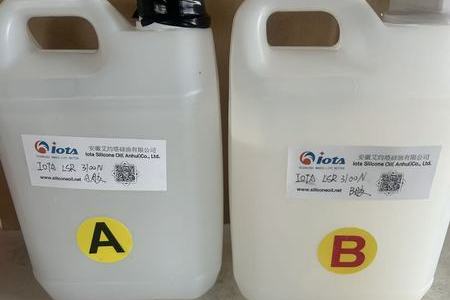
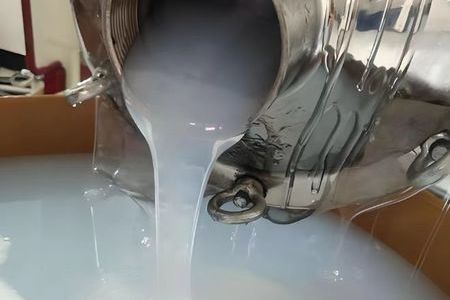
Squishy liquid silicone is a food-grade, two-component, platinum-catalyzed silicone elastomer. After Part A and Part B are mixed and cured, it forms an extremely soft elastic material with unique physical properties and hand feel. It is the preferred material for squishy toys and other stress-relief toys.
Food-grade, odorless, easy demolding, self-deaerating, high-temperature resistant, and long shelf life.
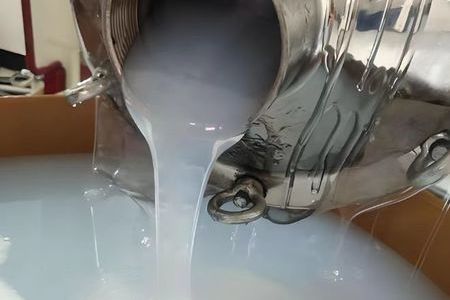
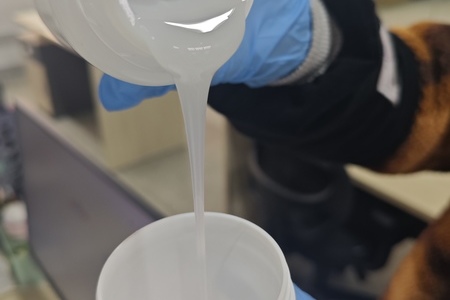
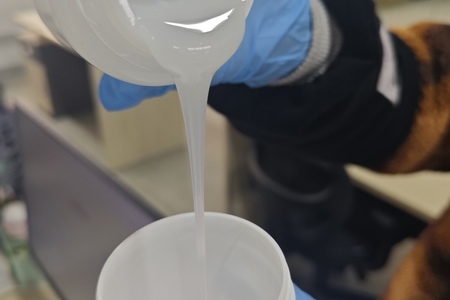
It has a compression ratio of more than 30 times, an extremely airy feel, moderate rebound speed, low resistance, and easy rebound. It is easy to demold, has extremely low viscosity, and has very strong self-deaeration. After mixing, no professional vacuum equipment is needed; it can be poured directly into the mold and left to cure.
Dense and solid, with rich cream-cheese kneading feedback. It has resistance and good shapeability, with no runny or soft-collapsing feel. It feels like kneading a piece of matured soft cheese. Very glutinous, with a highly soothing slow rebound; a dense paste feel with a rich creamy note. It clings to the bag and leaves marks—a favorite for medium-grip and strong-grip players.
· Softness: Dense, soft, and glutinous; substantial and solid overall, with no loose flowing feel and obvious basic support.
· Resistance: Medium-high; pressing requires moderate effort. The thin version has a lower threshold, while the thick version gives a fuller kneading feel. Weak-grip players are not recommended to force the thick version.
· Texture: Rich, matured cream-cheese texture; fine and particle-free; excellent shapeability; can be spread like a pancake and retains press marks.
· Tackiness: Warm and moist, clinging to the bag, with a fine, stretchy, tacky-moist feel; after playing, smoothness is further improved.
· Rebound recovery: Comfortable slow rebound; gently recovers after deformation without abrupt bouncing.
· Suitable for: Light-grip users can choose thin molds; medium-grip and strong-grip users are more recommended. Ideal for enthusiasts who prefer a solid, cream-cheese texture with clear kneading feedback.
It has none of the loose, flowing, runny feel of light cream. Instead, it is a high-density, substantial, rich cream-cheese texture, like a piece of matured cheese gradually softened by body temperature. When pressed with a fingertip, a clear but not stiff opposing resistance can be felt. It is not a light press that goes all the way down; a little effort is needed to press a deep dent, making it feel solid and chewy. When squeezed, it is fine and dense, with a unique glutinous quality. It does not run everywhere; it can be steadily spread open and briefly retain the pressed pattern, showing strong shapeability. The soft material gently clings to the packaging bag with a warm, moist, tacky, and stretchy feel, without prickly or tight membranes. After repeated kneading, the texture becomes smoother, and the rich, dense cream-cheese touch is fully released. After releasing, it does not spring back quickly; the large dent slowly recovers, and the rebound is gentle and pleasing to watch. The thin version is friendly to hand strength, while the thick version is even more satisfying to knead. Enthusiasts who like a stress-relief experience with substance rather than hollowness will surely love this rich and solid cream-cheese touch.
|
Product Name |
IOTA LSR 3100N 106-9 |
|
Hand feel |
Rich cream cheese |
|
Packaging specifications |
Multiple specifications |
|
Curing conditions |
2–3 hours at 25°C; customizable |
|
Color |
Translucent |
|
Recommended ratio |
A:B = 1:2–2.8; adjustable |
DIY toys, squishy toys.
Before using a new mold, the mold surface or the surface of materials to be potted/encapsulated can be cleaned with white naphtha or 3% dishwashing liquid solution, then air-dried.
Mix Part A and Part B uniformly by weight at A:B = 1:2–2.8. Mixing can be done by weight, or our automatic A/B dispensing machine can be used to improve production efficiency. After mixing, deaerate and then pour. For DIY use, users only need to mix according to the ratio, stir evenly in one direction, and then pour into the mold.
Deaeration: Pour Part A and Part B separately into A/B stainless steel pails equipped with filter meshes, then place the pails in a vacuum chamber for vacuum deaeration for about 10–30 minutes. Alternatively, after manual mixing, send the mixture to a defoaming machine for deaeration for 2–6 minutes.
When demolding the product, it can be done in 3–5% dishwashing liquid solution. The mold does not need further cleaning; simply dry it and it can be reused.
If color paste is needed for tinting, it is recommended to use an electric mixing tool to mix it thoroughly into Part A. For manual tinting, place the color paste on the wall of the Part A cup and slowly stir/grind it into the silicone so that the color paste is fully compatible with the silicone.
Curing conditions: Adjust according to the mold and application scenario. Generally, the room-temperature curing time is 3 times the working time; that is, if the working time is 1 hour, allow about 3 hours for complete demolding.
Non-dangerous goods. Store sealed in a cool place, protected from rain and direct sunlight. Shelf life: 1 year.
This series of products must not be mixed with condensation-cure silicone rubber, sulfur, phosphorus, nitrogen compounds, etc.; otherwise, curing of the silicone will be affected.
If a mold previously used with condensation-cure silicone has been used, it must be cleaned thoroughly with solvents such as white naphtha; otherwise, the mold surface may not cure or may become tacky.